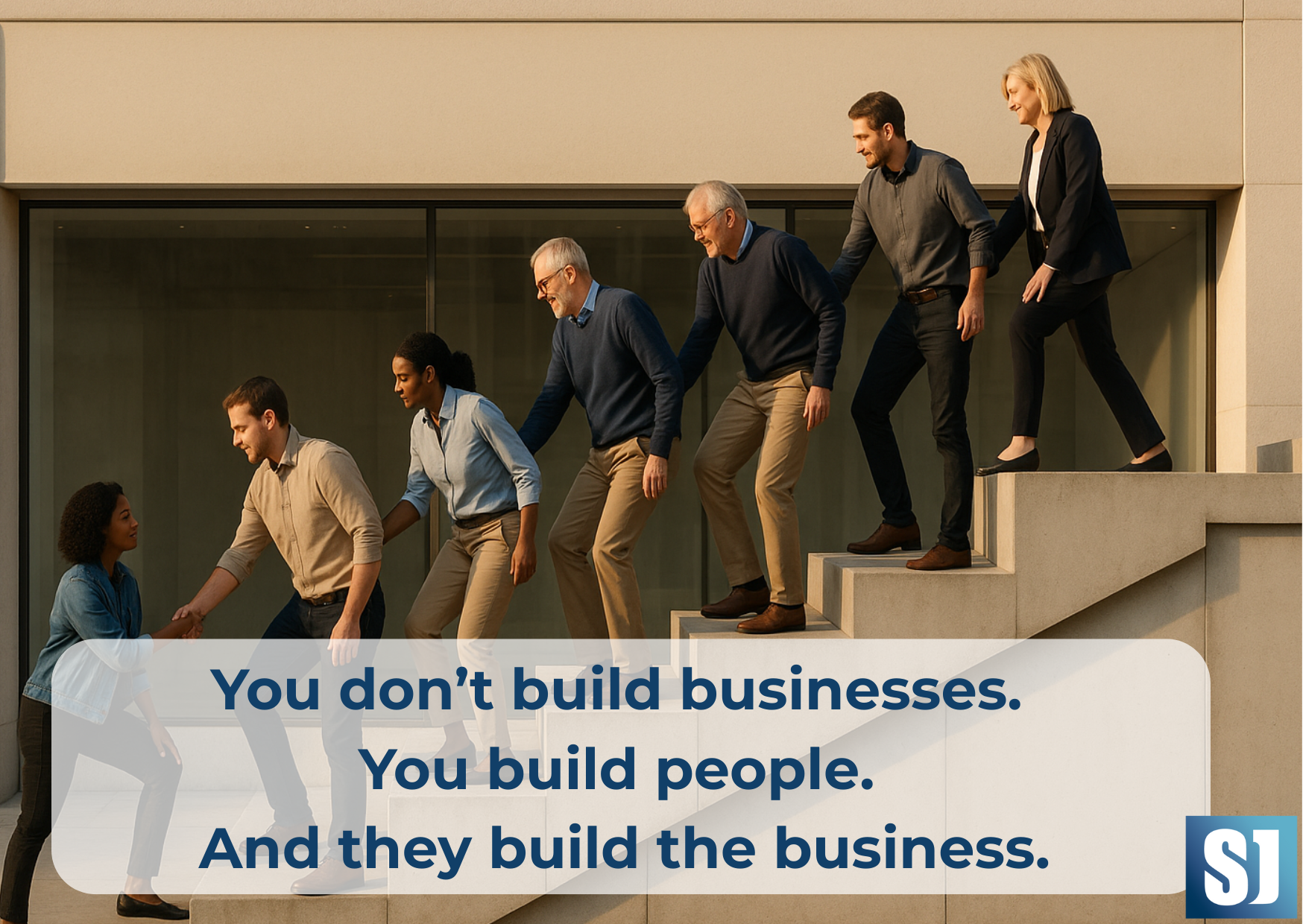
I need a holiday.
In the retail space — our space — December is one of the busiest, if not the busiest, times of the year. While most people are winding down, we’re gearing up. When offices clear out, systems get updated. Processes are overhauled. Warehouses don’t stop, and neither can we.
I need a holiday.

But… but… but…
I speak to CEOs weekly, and the theme is the same: We need a holiday — and yet we feel we can’t take one.
That tension points to a bigger truth:
Letting go is one of the most counterintuitive but crucial growth skills for any founder or CEO.
When you’ve built something from scratch — with your sweat, late nights, and relentless standards — the idea of handing over the reins isn’t just uncomfortable. It can feel impossible.
Who else will care like you do?
Who will notice the small details?
Who will uphold the standard?
But here’s the hard reality:
If your business can’t function without you, you haven’t built a business.
You’ve built a job, and the cost is your freedom.
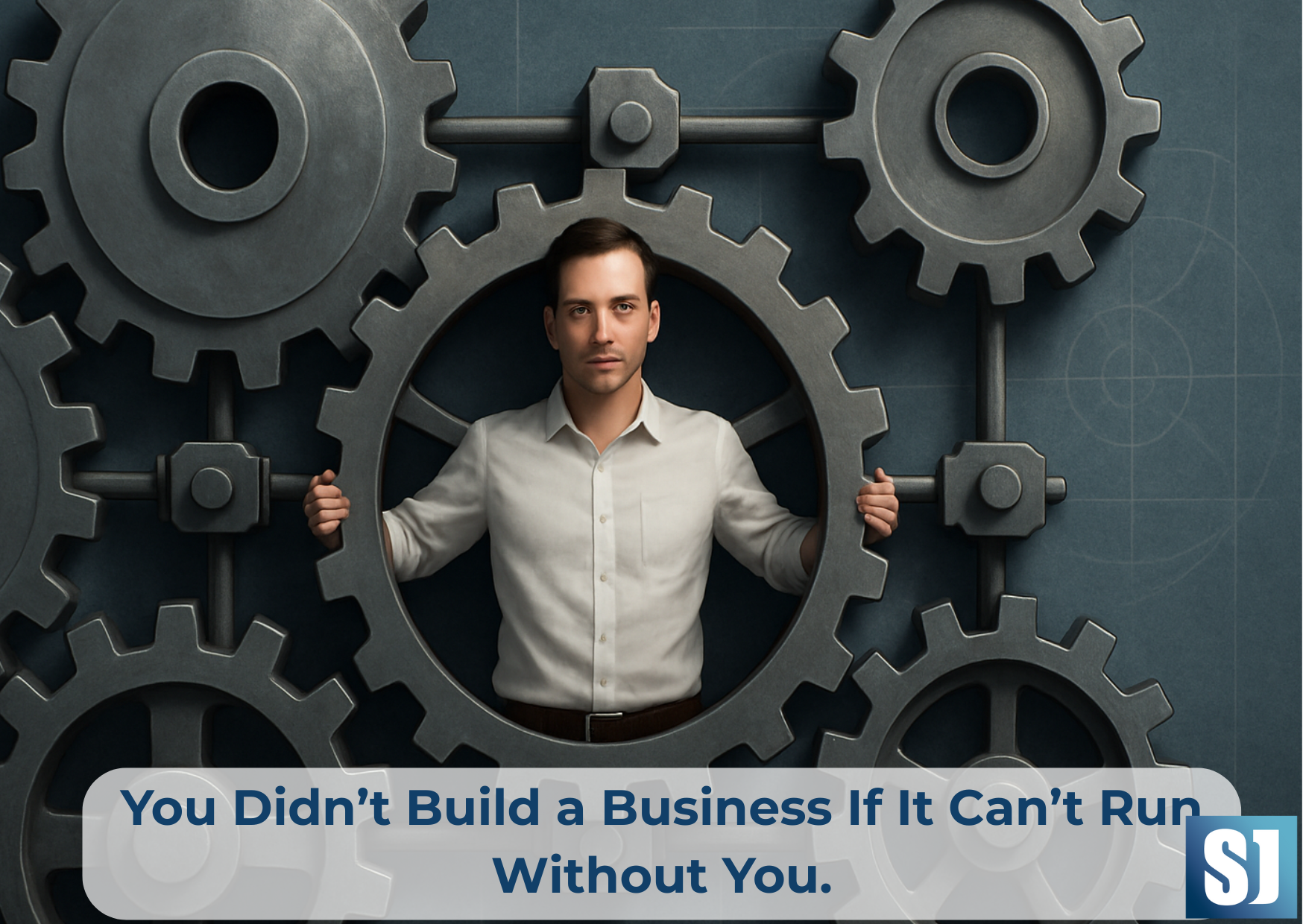
Delegation Isn’t the End of Ownership — It’s the Evolution of It
Letting go doesn’t mean letting down.
It means you’ve built something stronger than one person.
It means you’ve built trust into the process — not just in people, but in systems and accountability.
Delegation is not a surrender of standards.
It’s a strategic shift in how you uphold them.
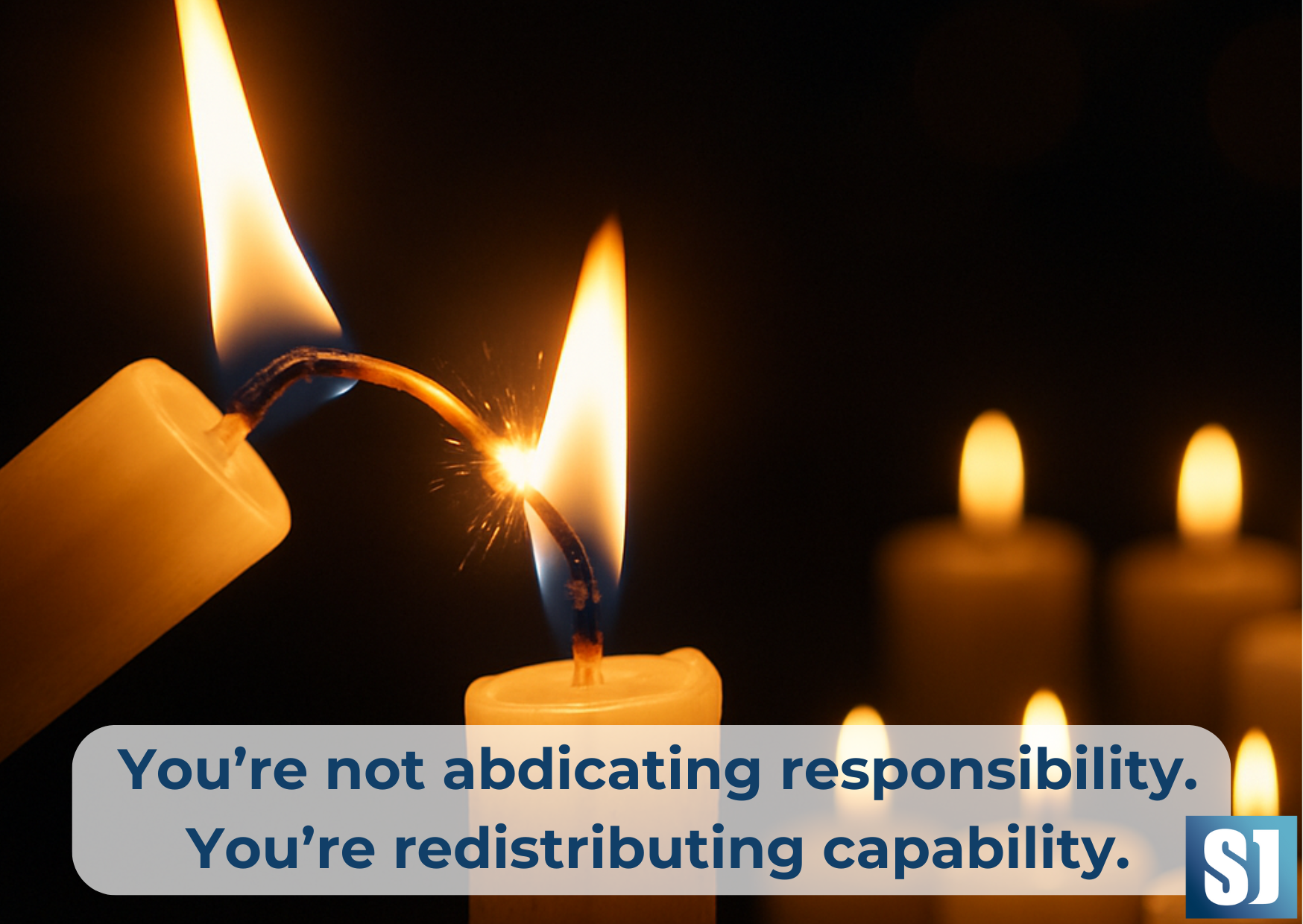
What It Takes to Let Go (Without Letting Things Fall Apart)
Letting go of control well requires three non-negotiables:
1. Without lowering standards
Clarity matters. You can’t expect others to maintain standards if you haven’t defined them.
Document the why, not just the what.
Design systems that enforce consistency, not confusion.
2. Without breaking people
Delegation isn’t dumping tasks — it’s empowering with context.
People don’t need micromanagement. They need mentorship, feedback loops, and space to grow.
You’re not just assigning tasks. You’re building confidence.
3. Without killing yourself in the process
You can’t be the emergency contact for every small fire. That’s not resilience. That’s fragility disguised as commitment.
Real leadership installs checks and balances so you can step back and the team still moves forward.
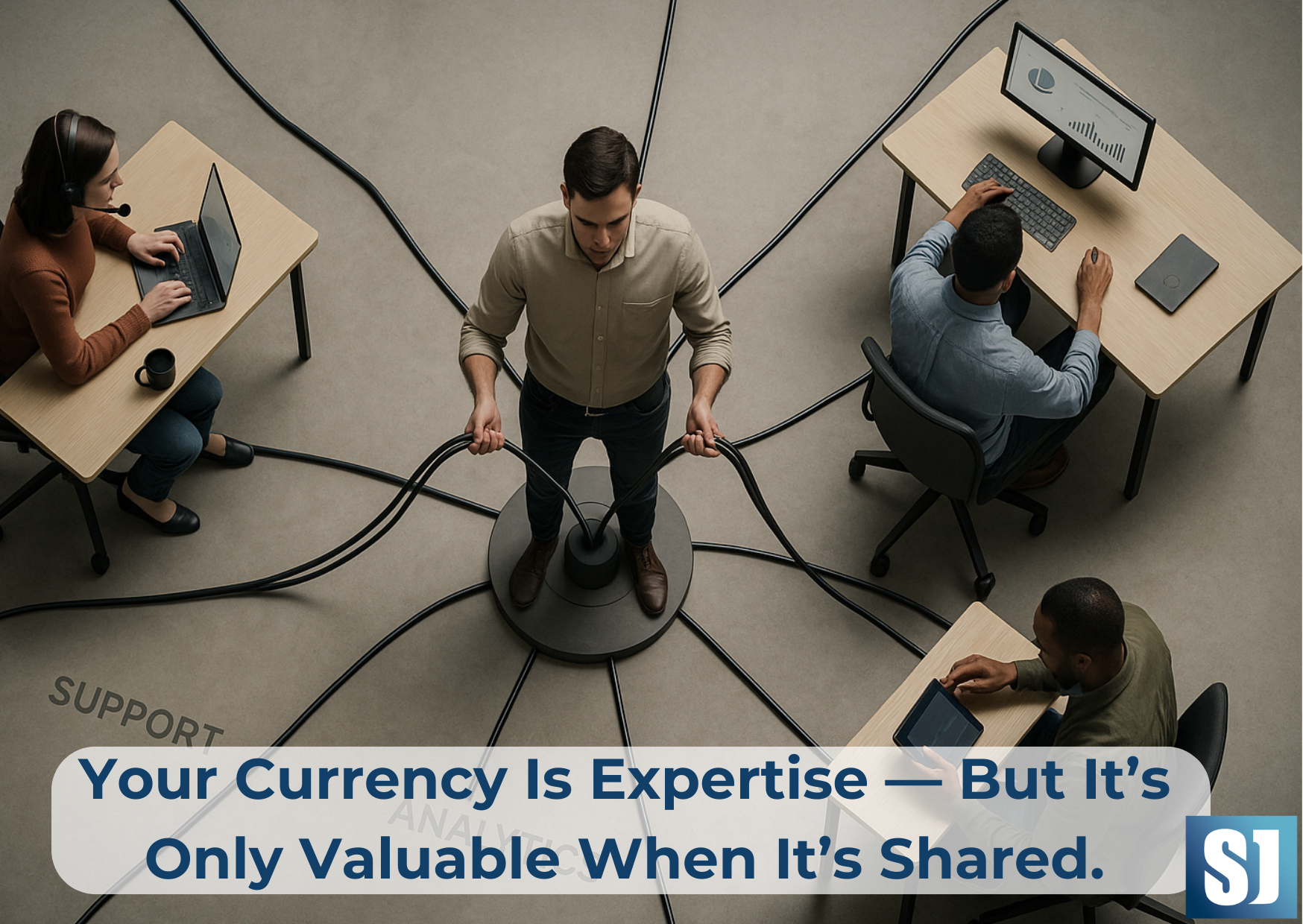
My currency is knowledge and expertise.
And I’ve learned that if I want to step away — even for a holiday — I need to transfer that currency to others.
That’s incredibly hard. Because that knowledge was hard-earned.
Not just technical knowledge, but intuitive decision-making developed through years of scars.
So I’ve got two options:
-
Pay with time — invest deeply in training and team development
-
Or pay with money — hire expensive people who already know the ropes
And in a small service business? That second option isn’t always available.
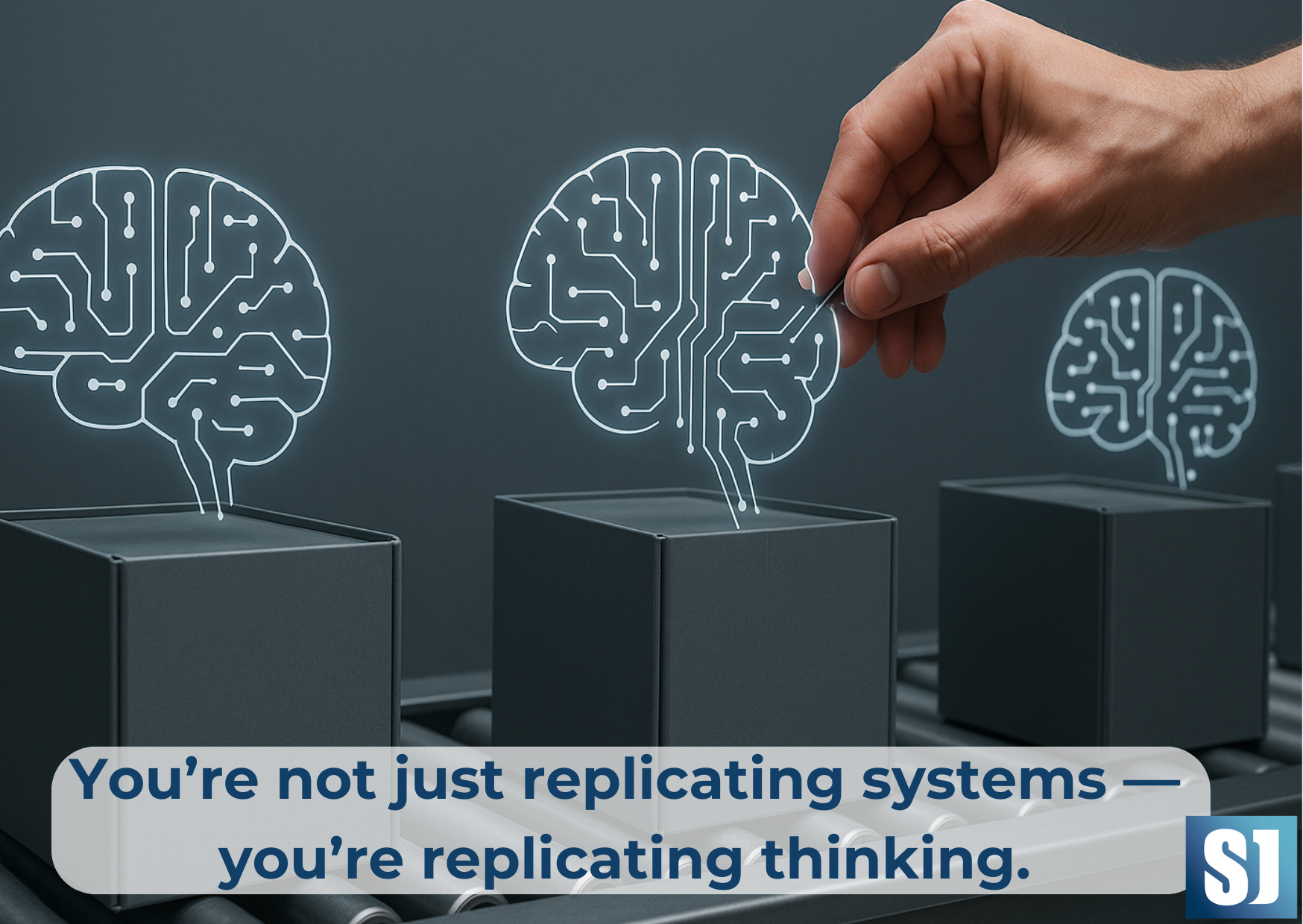
Scaling a service business is brutally hard. You’re not just replicating systems — you’re replicating thinking.
Train People to Think, Not Just Act
I don’t want my senior team to memorize my decisions.
I want them to make decisions I would have made —
Not because I told them what to do,
But because they use the same information gathering, risk analysis, and decision filters I would.
That’s real leverage. That’s real trust.
That’s what I’m working on every day — building a team I can trust to lead even when I’m not in the room.
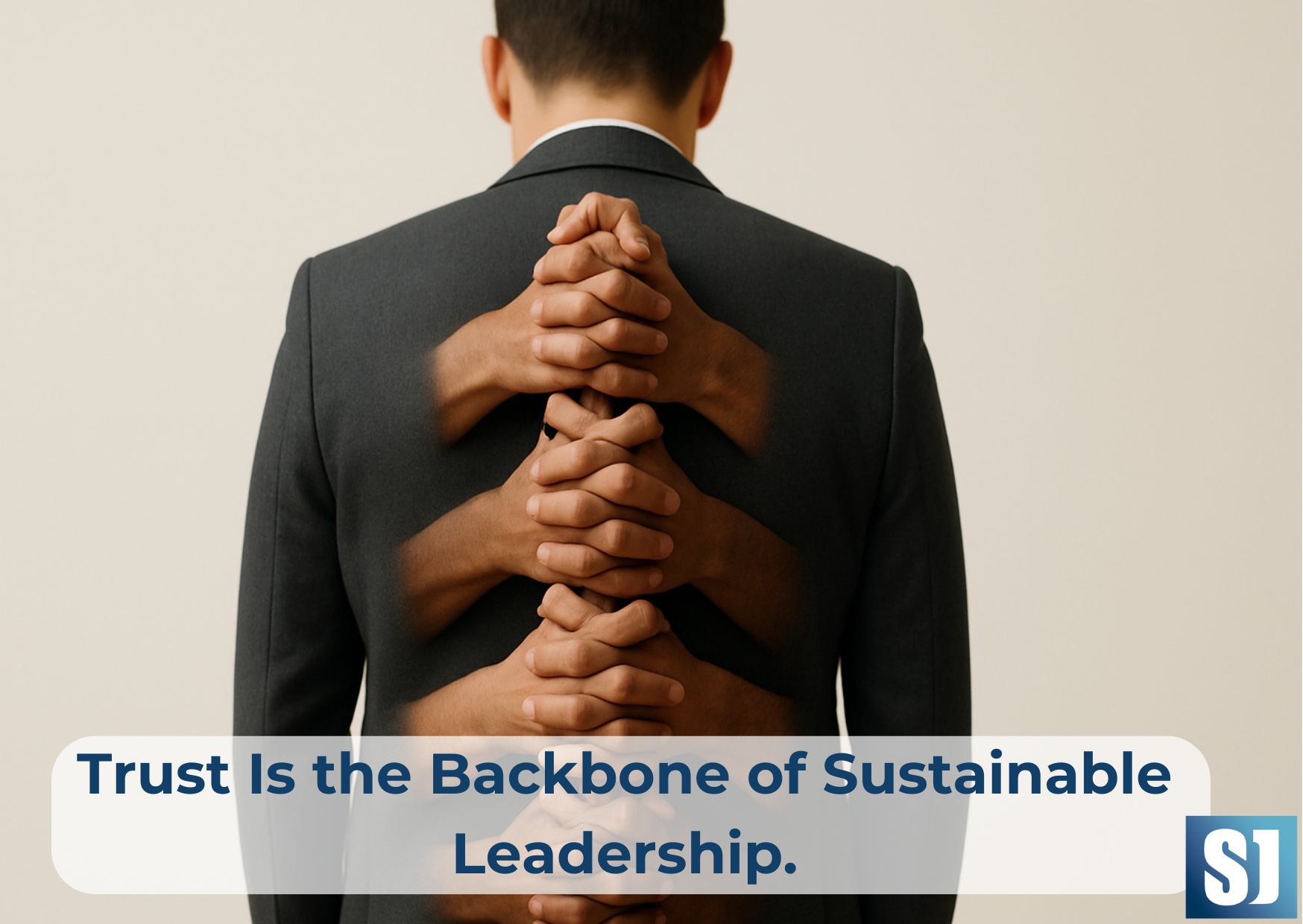
Leadership isn’t just doing the work. It’s making the work sustainable — for you, and for everyone else.
That means:
-
Designing systems where responsibility is shared
-
Giving feedback that builds, not breaks
-
Letting people own outcomes, not just tasks
If you’ve truly built your team — if you’ve invested in people, not just roles — then letting go isn’t giving up control. It’s proving that your leadership lasts even when you're not in the room.
Final Thought
Leadership isn’t just doing the work.
It’s making the work sustainable — for you, and for everyone else.
You don’t build a great company by holding tighter.
You build a great company when your team can uphold — and evolve — your vision, even when you’re not present.